
GCC outcomes
None of the GCC overhead.
Zenithive operates as a credible extension of your engineering organisation - a Micro GCC and GCC-Lite build partner for global enterprises that want continuity-backed engineering capacity in India without setting up an entity, hiring 200 people, and operationalising governance from scratch.
100+ engineers · SOC 2 Type II · ISO 27001 · AWS Advanced Partner · Toronto + Ahmedabad
Execution. Clarity. Precision. Pursuing







The SAAO Framework.
We don't just throw bodies at a problem. We deploy a proprietary operating framework designed to eliminate friction and maximize value.
Speed
Velocity without chaos. We build momentum through automated pipelines, rapid feedback loops, and disciplined sprints.
Accountability
We don't just ship code; we own the uptime, scalability, and security. No finger-pointing, just problem solving.
Agility
Adapting to change is our default state. We prioritize outcome over output, allowing us to pivot without breaking the build.
Ownership
Our engineers think like founders. We immerse ourselves in your business goals to build products that actually sell.
SAAO
What We Bulid
Pods bring strategy, engineering, and design into one disciplined, outcome-driven unit — made to integrate with your roadmap, culture, and velocity.
Data Engineering &AI
Autonomous, high-velocity teams tailored to your stack and culture. Scalable on demand.
Product Engineering
End-to-end development of complex web & mobile platforms from concept to scale.
GCC Extension
Modernizing legacy systems to cloud- native architectures without business interruption.
Architecture & Advisory
Strategic technical leadership to
define your roadmap, stack, and
technology selection.
A Better Operating System for Building Digital Products.
Pods bring strategy, engineering, and design into one disciplined, outcome-driven unit — made to integrate with your roadmap, culture, and velocity.
How Teams Work With Zenithive
Different stages. Different constraints. One disciplined way of building and scaling products through Pods.
From idea to first traction, without engineering chaos.
Early-stage teams need speed, clarity, and honest trade-offs. A Discovery Pod scopes the architecture, an Engineering Pod ships the V1, and the backup engineer is staffed from week one so velocity survives the first hire who leaves.
Discovery Pod to validate scope & architecture
Engineering Pod for MVP / V1 build
Rapid feedback loops with founders
Scale-readiness decisions early
Clear Ownership
Disciplined Execution
AI-Assisted Workflows
People-first collaboration
Stabilizing systems while continuing to ship.
Growing teams often hit tech debt, velocity drops, and ownership gaps as they scale. A Pod plugs in alongside the in-house team to run modernisation in parallel with the feature roadmap. Cutover gates agreed before sprint one. No frozen roadmap.
Architecture audit and a 90-day modernisation blueprint
Pod runs the modernisation track. In-house team keeps the feature roadmap.
AI-assisted delivery to regain speed
Clear ownership boundaries between in-house and Pod teams
Clear Ownership
Disciplined Execution
AI-Assisted Workflows
People-First collaboration
Modernizing platforms without disrupting the business.
Enterprise environments demand security, governance, and zero-downtime thinking at every layer. Zenithive operates inside your VPC, your IAM, and your incident response chain, with SOC 2 Type II and ISO 27001 controls in place and audit trails from sprint one.
Architecture and risk assessment, threat model included
Controlled Pod integration into the existing engineering org
Parallel modernisation tracks with named cutover gates
Quarterly SOC 2 and ISO control evidence delivered without being asked
Clear Ownership
Disciplined Execution
AI-Assisted Workflows
People-first collaboration
Products We’ve Accelerated.





"Zenithive represents the gold standard in modern engineering partnerships."
— VP Engineering, Fintech Giant

Visionaries focused on longevity.
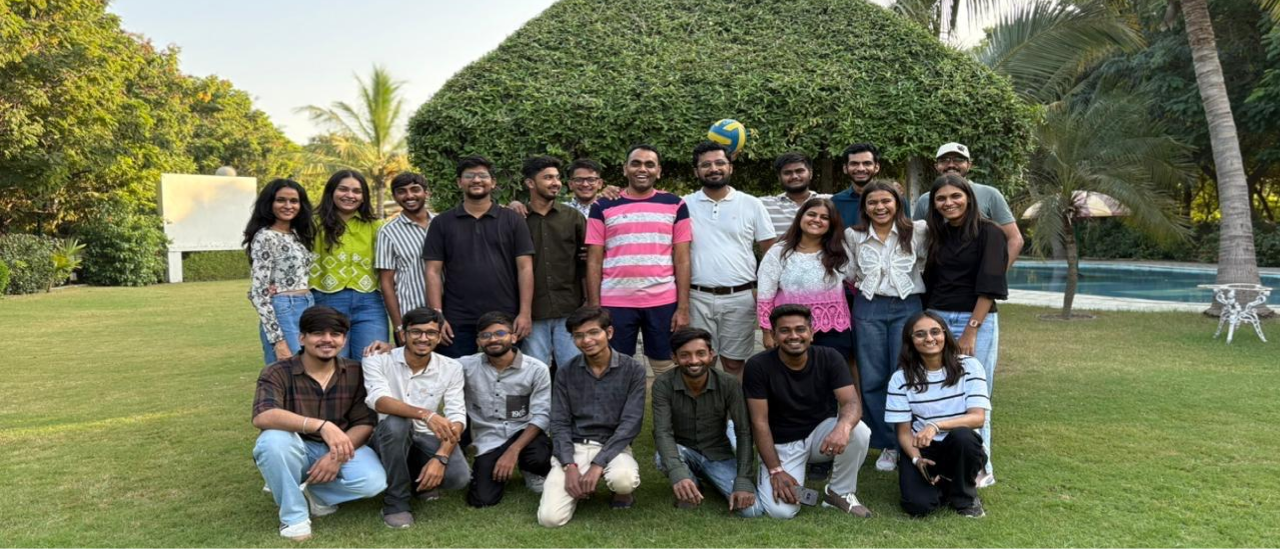
Our engineers, designers, and strategists write, experiment, and shape products with discipline and care. Together they make Zenithive a living, breathing engineering ecosystem.




GCC Extension or ODC: why product-led founders are picking the operating model, not the location.
Why we still ship monoliths, and the three questions we ask before we don't.
Snowflake vs Databricks: a decision framework, not a feature war.
Where the cost of an LLM project actually lives, and how to architect around it.
Explore a Pod-Led Approach
Brief us on your goals, and we'll connect you with an engineering lead.
Frequently asked questions.
What does Zenithive mean by GCC Extension?
GCC Extension is Zenithive's positioning as a Micro GCC and GCC-Lite build partner. We operate as a credible extension of your engineering organisation, with embedded Pods, dedicated capacity, and continuity-backed delivery, without you having to set up an entity, hire 200 people, or operationalise governance. You get GCC outcomes without GCC overhead.
How is a Zenithive Pod different from staff augmentation?
A Zenithive Pod is a self-contained execution unit with a Pod Lead, primary engineers, a backup engineer for continuity, and a Designer where the engagement requires it. The structural differentiator is the backup engineer. Standard staff augmentation has a single point of failure when one engineer takes leave. A Pod holds context across two engineers from week one, so delivery doesn't fall when one person is unavailable.
What technologies does Zenithive specialise in?
Product Engineering: Golang and Ruby on Rails as primary backend stacks, plus Python, Node, React, Angular, Vue, React Native, and Flutter. Data Engineering: Snowflake and Databricks as primary platforms, with cloud modernisation across AWS, GCP, and Azure. AI: Generative AI, Agentic AI, RAG-based assistants, and ML in production. Zenithive is intentionally specialised, not horizontal.
What size and shape of company is Zenithive a fit for?
Zenithive's GCC Extension model is designed for mid-market and enterprise companies that want dedicated engineering capacity in India without setting up a full GCC. Typical fits include PE-backed mid-market firms, scaling SaaS companies, AI-first startups, and global enterprise groups testing offshore expansion for the first time. Pods range from 4 to 30+ engineers depending on engagement scope.